For parents of athletes 12 to 18, in any sport
Practice the ride home before you start the car.

This part is hard. You care a lot, you just watched something go wrong, and now you’re supposed to know what to say. Most of us were never taught how. I built this so you can practice somewhere it doesn’t count, and get to the ride home feeling ready.
Aaron Lewis, CMPC
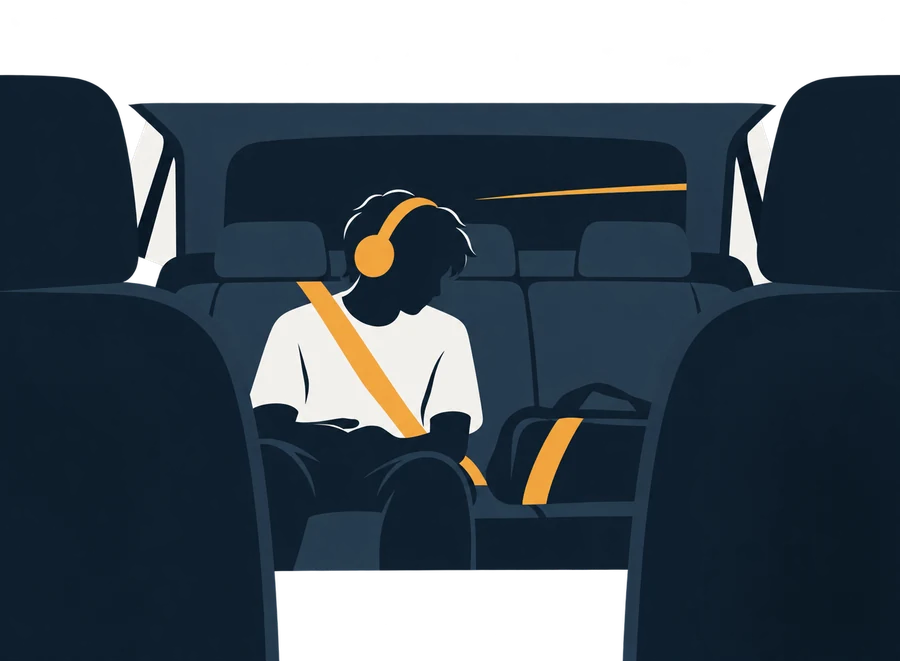
What a practice ride looks like
Same kid. Two first lines.
She barely played in the second half. She gets in the car and pulls her hood up.
First try
“You should’ve been in there. That coach has no idea what he’s doing.”
“Can we not.” [looks out the window]
Shuts her downYour read comes before hers.
Second try
“That was a long second half. What was it like for you?”
[pushes the hood back] “I don’t get it. I’ve been working so hard.”
Opens her upShe gets to go first.
Every note tells you why it tends to land that way, and what to try instead.
Why it matters
It’s bigger than the drive.
The first thing you’ll notice is a calmer ride home. Over a season, those rides give your kid practice at things a lot of athletes never learn.
- What’s theirs to controlTheir effort, their routine, how they handle the next play. Results depend on a lot they can’t control, like the call.Based on: achievement motivation and attention research
- Judging their own gameKids who size up their own play before anyone weighs in tend to learn more, and may lean less on someone else’s verdict.Based on: motor learning research on feedback
- Turning a bad day into a planNot all on them, not forever, about today. Then one thing they choose to work on.Based on: attribution theory and goal-setting research
- Playing for their own reasonsKids who choose their sport and enjoy it put in more practice and show more commitment.Based on: self-determination theory
“As a pro, everyone can play and everyone is prepared. The separator is often how well a player digests performance, so it doesn’t snowball. That’s an advanced skill. Learning it can start now, at a young age, on the ride home.”
Aaron Lewis, CMPCFour seasons building a mental performance program in Major League BaseballWhen parents use it
Not just after the bad games.
- After a tough lossBefore one mistake turns into the whole ride.Practice this
- After a big gameGood nights shape your kid too. Some praise lands better than others.Practice this
- When your kid barely playedBefore playing time becomes the thing you both avoid.Practice this
- Before a hard talkShe got cut, or says she wants to quit. Practice it before you’re in it.Practice this
- After a ride that went badlyRun it again and find what you wish you’d said. Then go back to him.Practice this
- For whoever else drives themThe other parent, a grandparent. A second seat comes free.See the full version
Why trust it
Built by a pro, on research, and tested hard.
“One game is one game. One half is one half. One play is one play.”
Aaron Lewis is a Certified Mental Performance Consultant. He has worked extensively within Major League Baseball, Special Operations Forces, college football, and in academia. Across that work, the athletes who handle a bad day well are the ones who consistently set themselves up to succeed. Kids have the opportunity to start learning those skills in the car after games, and he built The Ride Home to help parents make that ride a good one.
Why I built thisBased on sport psychology research
The notes come from published research, not opinion, and every claim was checked against it.
The research behind itTested before you see it
Hundreds of practice rides, every situation, sons and daughters 12 to 18, each one reviewed for a real-sounding kid and fair notes.
Welcome back.
Your practice rides, the three lessons and the after-game card are all in one place.

The full version
Practice every ride home.
For the next game, and the seasons after. The goal is that you won’t need it for long.
- Unlimited practice rides, any night, with your own kid’s details
- More than a dozen common nights for your kid’s sport, or describe your own
- Full notes on every line you try, not just the highlights
- Three short lessons: what to notice at the game, how to ask in the car, and how to leave what’s next to them
- Help that steps back as you get better, so you need it less
“I was genuinely so impressed (and shocked!) at how it adapted the examples and language based on the specific sport I selected.”
Includes a second seat, free, for whoever else drives your kid home.
The lessons and hard moments are written for baseball, softball, basketball, soccer, volleyball, football, hockey, tennis, golf, lacrosse and swimming, not yet for your kid’s sport. Practice rides work for any sport.
Get The Ride HomeNot helping after 30 days? Full refund, no questions asked.
Questions
What parents ask first
Is it really my kid?
No. It’s an AI that plays a kid shaped by what you tell it: son or daughter, age, their place on the team and how they tend to react. Real kids vary, so treat it as practice, not a prediction.
Do I need to know the sport?
No. Most of what helps is how you listen and what you ask, not what you know about the game.
Is what I type saved?
No. Nothing you type in a practice ride is kept, unless you choose to share a ride with Aaron so he can make the practice better. If you write down how a real ride home went, on My practice, that’s kept for you, and only you see it.
Is this therapy or professional advice?
No. It’s education and practice for parents, built on published sport psychology research. If you’re worried about your kid’s safety or health, talk to someone who can help.
What ages is it for?
Kids 12 to 18, sons and daughters, in any sport. Baseball, softball, basketball, soccer, volleyball, football, hockey, tennis, golf, lacrosse and swimming are on the list, and for another sport you can describe the night yourself.
Free
The after-game card
What the practice teaches, on one screen. Look at it in the parking lot before you start the car.
 Baseball
 Softball
 Basketball
 Soccer
 Volleyball
 Football
 Hockey
 Tennis
 Golf
Golf Lacrosse
 Swimming